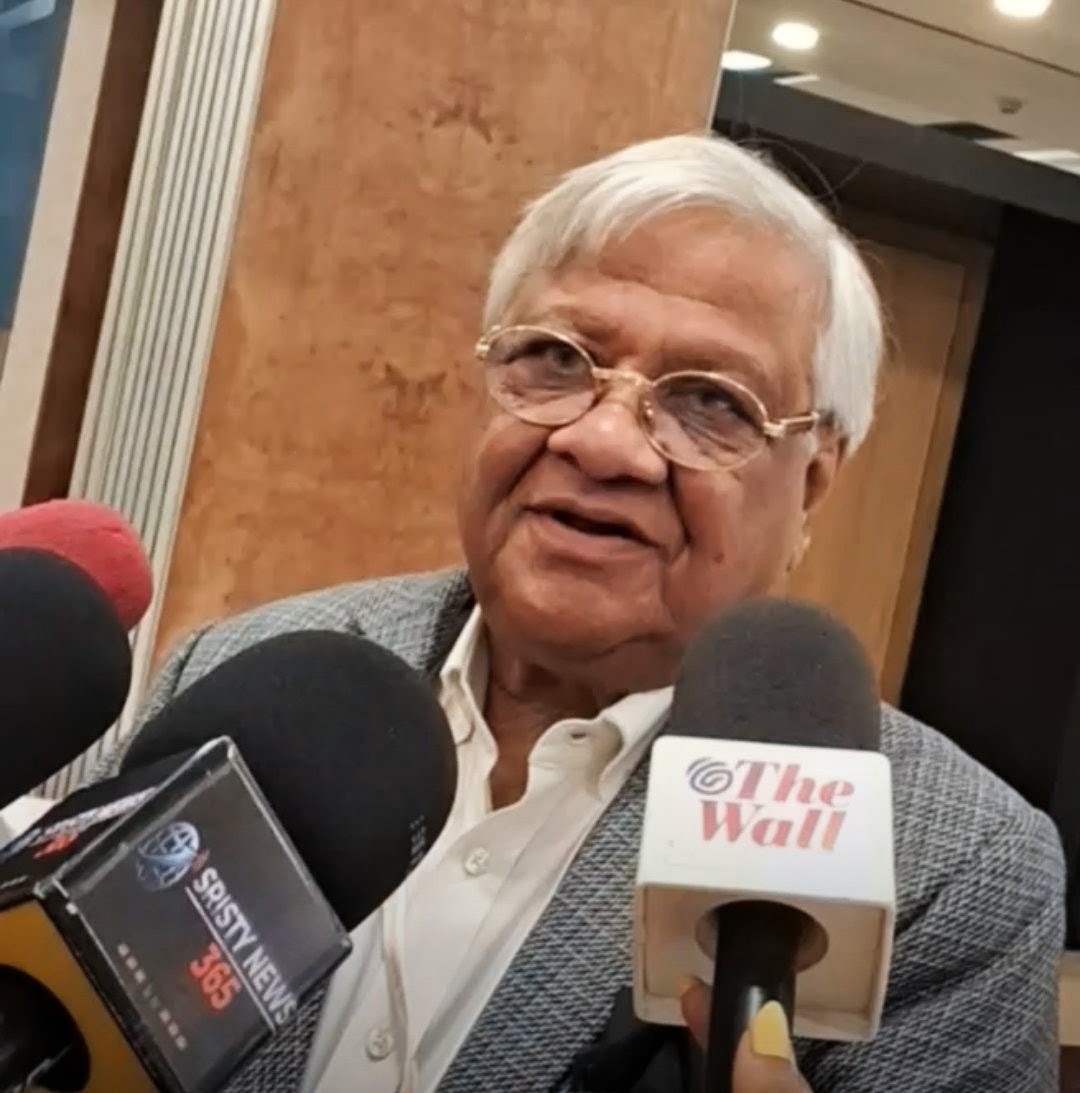


Historic MS Conclave in Kolkata: The Multiple Sclerosis Society of India (MSSI) has presented the ‘Kolkata Declaration’—a five-point policy charter—calling for the provision of free medication and comprehensive reforms to the ‘Swasthya Sathi’ (state health insurance) scheme. The event brought together the Health Minister, National Health Mission (NHM) officials, and leading neurologists on a single platform.Sanchita Chatterjee, Kolkata, November 13, 2026: Policymakers, health insurance providers, and medical professionals gathered in Kolkata for a unique conference aimed at addressing Multiple Sclerosis (MS). The event concluded with a demand for the provision of free medication and a radical overhaul of the ‘Swasthya Sathi’ scheme.The five-point policy charter advocates for improved medical facilities and holistic institutional support for individuals living with MS.In a first for Eastern India, the state’s top health policymakers, representatives from the government health insurance scheme, renowned neurologists, and delegates from patient advocacy groups came together under one roof at a conference organized by the Kolkata Chapter of the Multiple Sclerosis Society of India (MSSI).The conference culminated in the release of the ‘Kolkata Declaration’—a five-point policy charter urging the Government of West Bengal to remove the financial and structural barriers hindering MS treatment.For thousands of young people across West Bengal, living with Multiple Sclerosis (MS) means fighting a dual battle: first, against the progressive neurological disease that attacks the central nervous system; and second, against a healthcare financing system that forces patients’ families to spend lakhs of rupees out-of-pocket for lifelong treatment.Multiple Sclerosis is twice as prevalent in women as it is in men (a 2:1 ratio). Striking during the prime of life, this disease disrupts the careers, married lives, motherhood, and family stability of young women.A 5-Point Demand to the Government – The ‘Kolkata Declaration’Access to Essential Treatment: Include Disease-Modifying Therapies (DMTs) in the West Bengal state list of essential medicines. Ensure that outpatient biological infusions, contrast-enhanced MRIs, and neuro-rehabilitation packages are covered under the ‘Swasthya Sathi’ and ‘Ayushman Bharat’ schemes.Digital Payment Systems: Integrate ‘Swasthya Sathi’ with the Ayushman Bharat Digital Mission (ABDM) channel and bring all tertiary neurology centers into the IMSRN and ABDM ecosystem to expedite the claims processing.One-Stop MS Clinics: Establish specialized Multiple Sclerosis (MS) clinics—equipped with day-care infusion beds—in all government medical colleges, and provide free MRI facilities.Gender-Sensitive Protocols: Implement counseling for pregnancy and the postpartum period; ensure workplace accommodations in accordance with the Rights of Persons with Disabilities (RPwD) Act; and issue Unique Disability ID (UDID) cards based on long-term clinical assessments.Permanent State Taskforce: Form an inter-departmental taskforce dedicated to addressing this ‘invisible’ neurological condition.AttendeesThe event was attended by the Hon’ble Health Minister of West Bengal, Dr. Sharadwat Mukhopadhyay; the Principal Secretary of the Department of Health and Family Welfare, Shri Narayan Swaroop Nigam, IAS; and the Mission Director of the National Health Mission (NHM), Shri Kaushik Bhattacharya, IAS.Also present were Shri Anand Chopra (Chairman, MSSI Kolkata Chapter), Shri Anirban Bandyopadhyay (Secretary), and prominent neurologists including Dr. Biman Bandyopadhyay and Dr. Tapas Kumar Banerjee from BIN, IPGMER, and SSKM Hospital.Medical experts noted that timely access to modern treatment can prevent permanent disability in MS patients; however, many are unable to receive such care due to the high costs involved.